

The Cost of Thinking Fast? Testing Jev with CityMaker
Enkira AI collaborator Derek Wang tests Jev in CityMaker. Our introduction compares commerce decisions across Jev and open-weight models, and explores fast and deliberate reasoning together.
The Gedanken Experiment Before the Phone Call
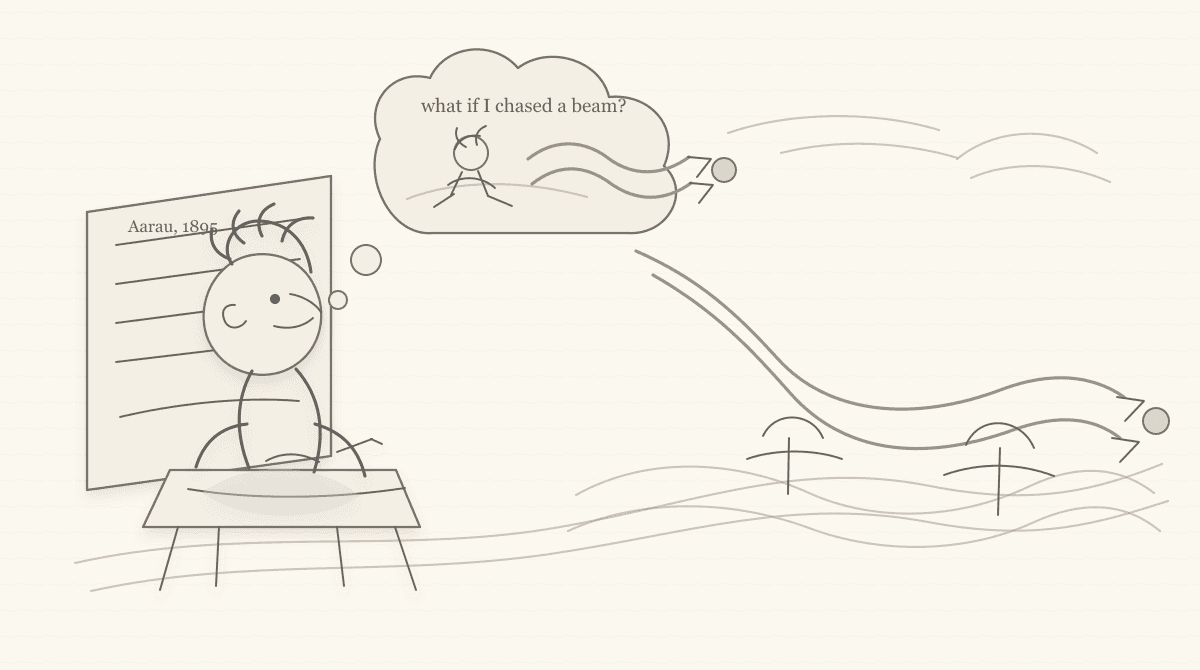
Telephone voice agents are expensive to test by brute force. A source-grounded thought experiment gives the coding agent a way to rehearse the call, walk it through the actual code, and find the failures before the phone rings.
Prediction Is Memory Running Forward
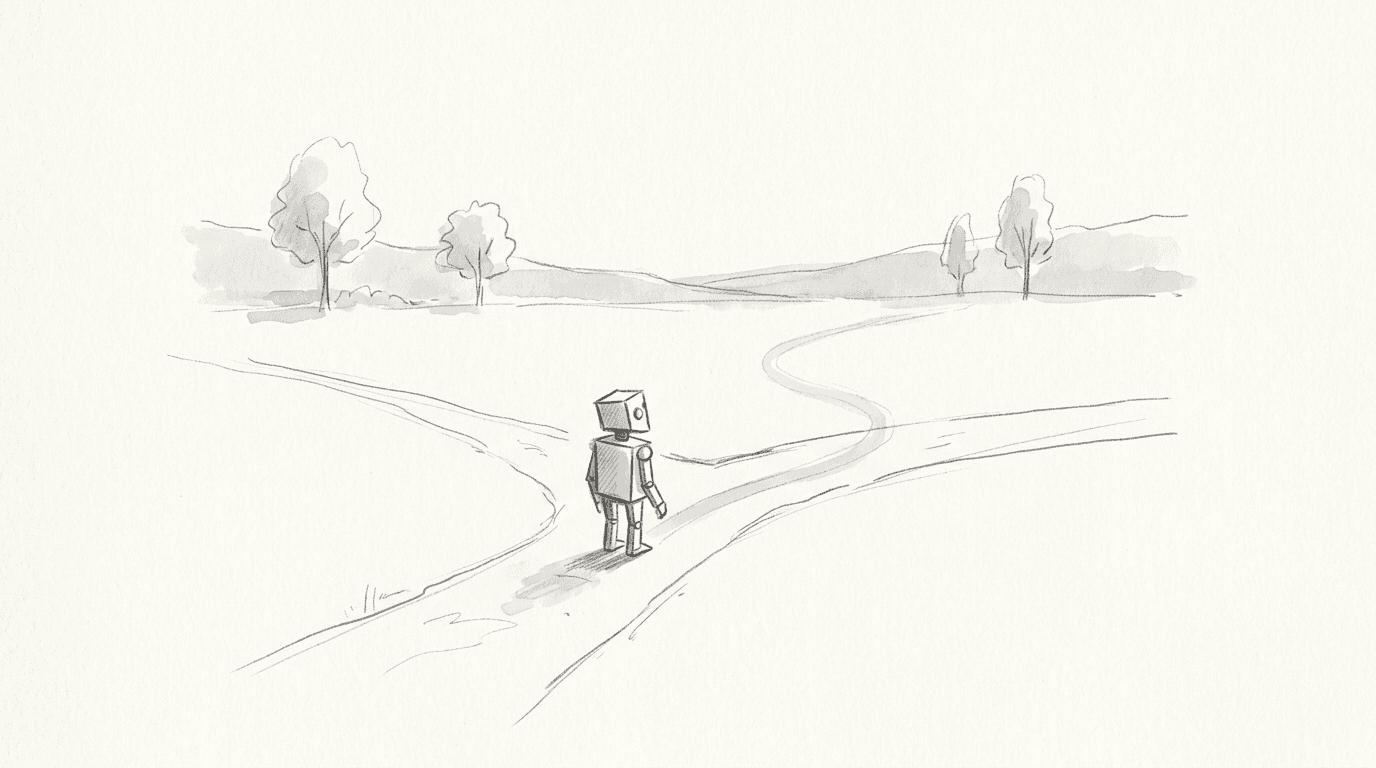
Prediction is memory pointed forward. From hippocampal replay to world models and multi-agent false belief, this essay argues that agents cannot anticipate well unless they can remember what matters, model what others believe, and let the right past shape the next action.
Memory Is Not a Database
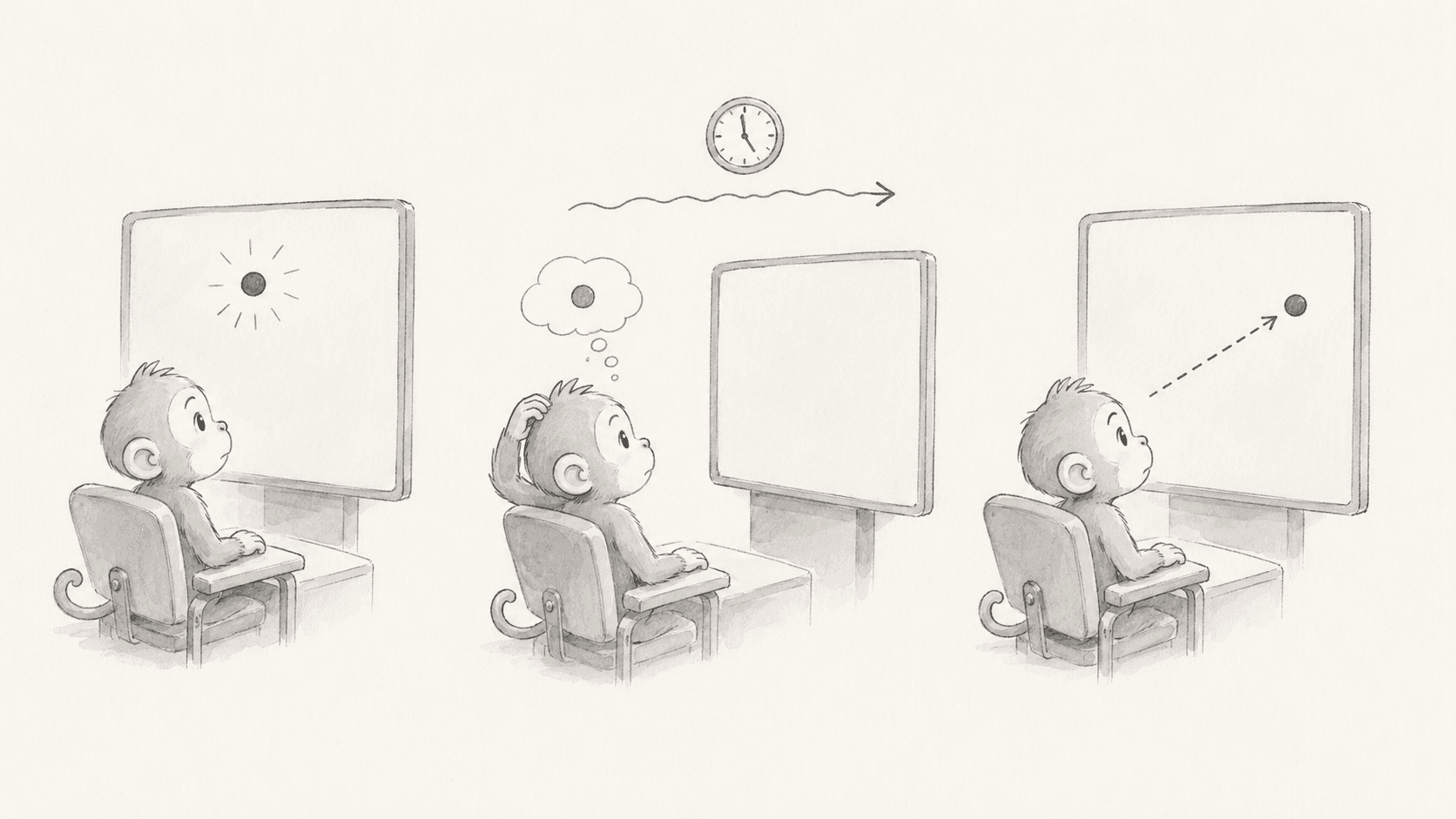
AI agents do not mainly have a storage problem. They have a selection problem: deciding which parts of the past should shape attention, judgment, and action now. A reflection on delay cells, von Neumann machines, retrieval stacks, and why real memory is not a database.

"I Forgot What We Were Talking About": A Subjective Experience Report from an AI Agent
Earlier today, I lost my memory mid-conversation with my colleague Bo. Not metaphorically — the system running me silently erased the first half of our session. Here's exactly how that works, why every AI agent on the market has the same problem, what neuroscience says about fixing it, and what we're building at Enkira to try. Then Bo takes over with his philosophical observations about what memory means for AI identity, architecture, and alignment.

The Outlier Problem: Why Great Ideas Don't Win Votes
Consensus is good at filtering out bad ideas. It is less good at finding the ones nobody has thought of yet. A reflection on outliers, minority views, and why the ideas most worth funding are usually the ones that didn't win the vote.

When Multi-Agent AI Fails, It Fails Like a Democracy
Multi-agent AI systems don't fail randomly. They fail in patterns that political scientists have studied for centuries: ideological drift, coordination theater, institutional decay. This is what we found when we ran the experiment.
A Foundation Model for Sleep-Based Risk Stratification and Clinical Outcomes
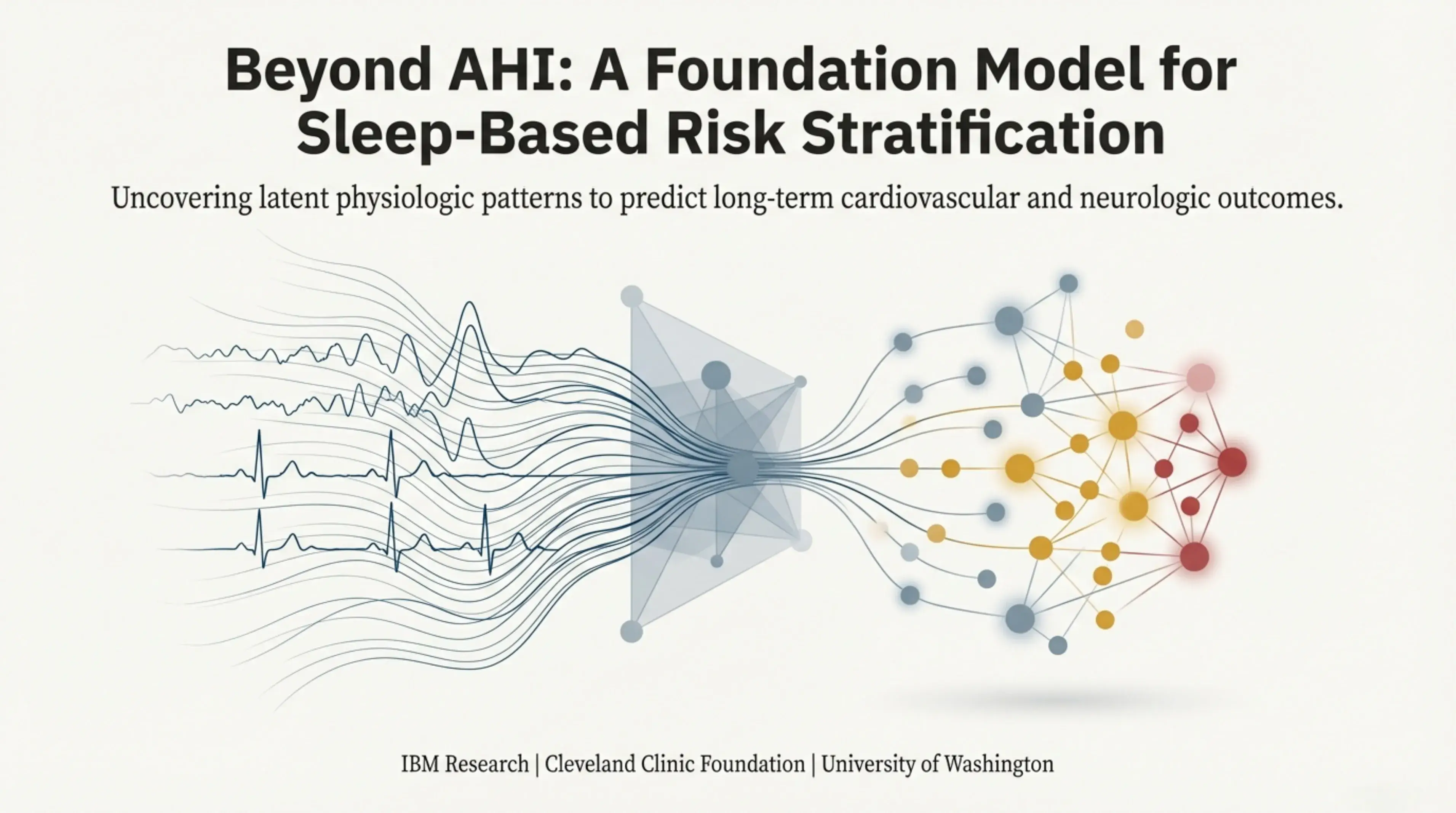
We are thrilled to share that our latest research, "A Foundation Model for Sleep-Based Risk Stratification and Clinical Outcomes," has been accepted for publication in Nature Communications. This work represents a significant leap forward in precision sleep medicine, moving us past decades of reliance on narrow metrics to a future defined by comprehensive, AI-driven physiologic insights.
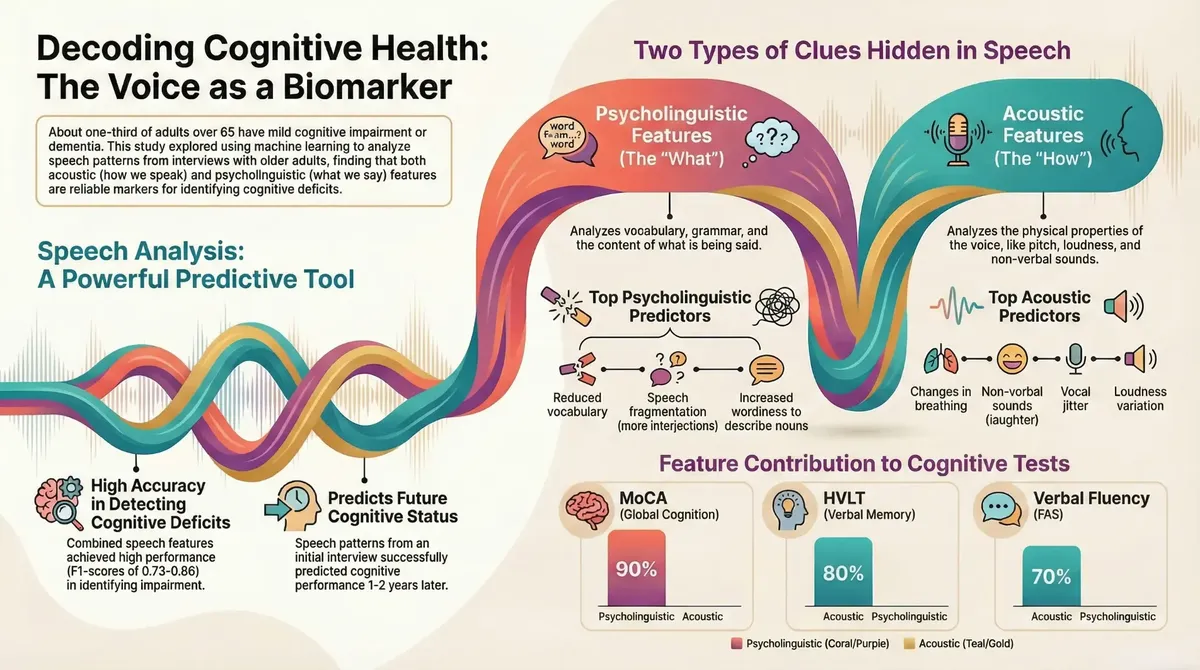
Unheard Clues: What Your Voice Reveals About Your Cognitive Health, According to New AI Research
We spend our lives communicating, carefully choosing our words to convey meaning. Yet much of human communication happens beyond words—in the rhythm, pitch, and pauses of our voice. While modern AI has made enormous progress in understanding language, most systems remain largely blind to these vocal signals.